Fellows, questions,
and original research
IEET runs collaborative research fellowships with partner institutions. Each program pairs rigorous scholarship with policy-facing outputs — articles, books, lectures, and public engagement.
Ongoing research
Ethics of Human Enhancement
This program operates under the HEET aegis. The Hub for Ethics and Emerging Technologies (HEET) is a research center affiliated with the Institute for Ethics and Emerging Technologies, established within the ERATO Center at the Department of Philosophy and Educational Sciences at the University of Turin.
The Hub aims to operationalize the research streams of HEET and to actively support the career development of early-career researchers in the field of the ethics of technology. The program is under the direction of Dr. Umbrello at the University of Turin.
As with the Boston-based Future of Work program, the Turin-based program includes lectures, meetings, and edited volumes for the HEET-led Human Empowerment Policy Book Series (De Gruyter). Fellows also contribute to the Journal of Ethics and Emerging Technologies (Class A 11/C3).
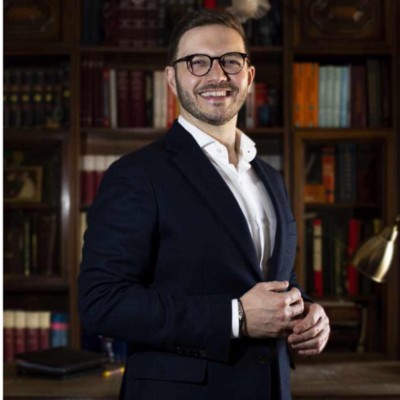
Leading the HEET Human Enhancement research stream at the University of Turin, contributing to both the De Gruyter Human Empowerment Policy Book Series and the Journal of Ethics and Emerging Technologies.
Brain-Computer Interface & AI and Cognition
Our third postdoctoral fellowship, run in collaboration with the Applied Ethics Center at the University of Massachusetts Boston, focuses on the philosophical and ethical dimensions of artificial intelligence and human cognition.
The Fellow teaches one to two courses per year, writes academic articles for publication, and presents at relevant conferences. Fellows also contribute to public engagement: guest classroom lectures, popular essays, press and podcast appearances, and outreach on issues of AI and the mind.
The fellowship is capped by a conference on AI and Human Cognition, which the Fellow helps plan alongside the AEC and IEET, along with related publications.
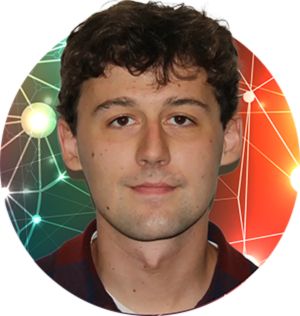
Focuses on philosophical questions at the intersection of AI and human cognition: extended cognition, neurodevices and personal identity, the challenge of neuromodulation to virtue ethics, epistemological questions raised by immersive virtual reality, and the ethics of radical longevity and mind uploading.
Ethics of Military Uses of AI and Autonomous Weapons
Our newest program examines one of the most pressing intersections of technology and ethics today: the use of artificial intelligence in military contexts, including lethal autonomous weapons systems, drone warfare, and the moral frameworks needed to evaluate them. This program brings together Just War Theory, philosophy of mind, and policy analysis in a field that demands both scholarly rigor and real-world grounding.
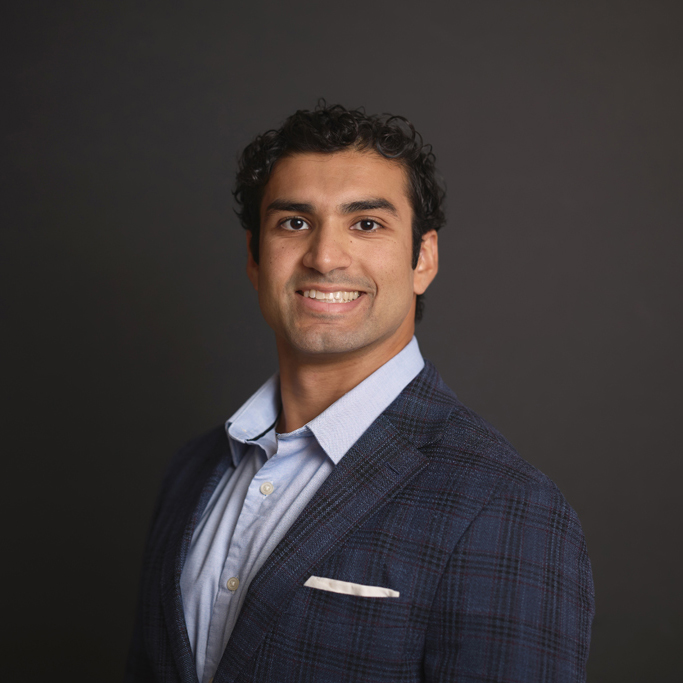
Research fellow at the Applied Ethics Center at UMass Boston and PhD student in philosophy at Boston College. Works at the intersection of ethics, philosophy of mind, and AI, with a special focus on military ethics and Just War Theory. His current research examines whether the embodied nature of human intelligence can be replicated in artificial systems. He holds a BS in physics from the United States Military Academy and brings firsthand experience to questions of military ethics.
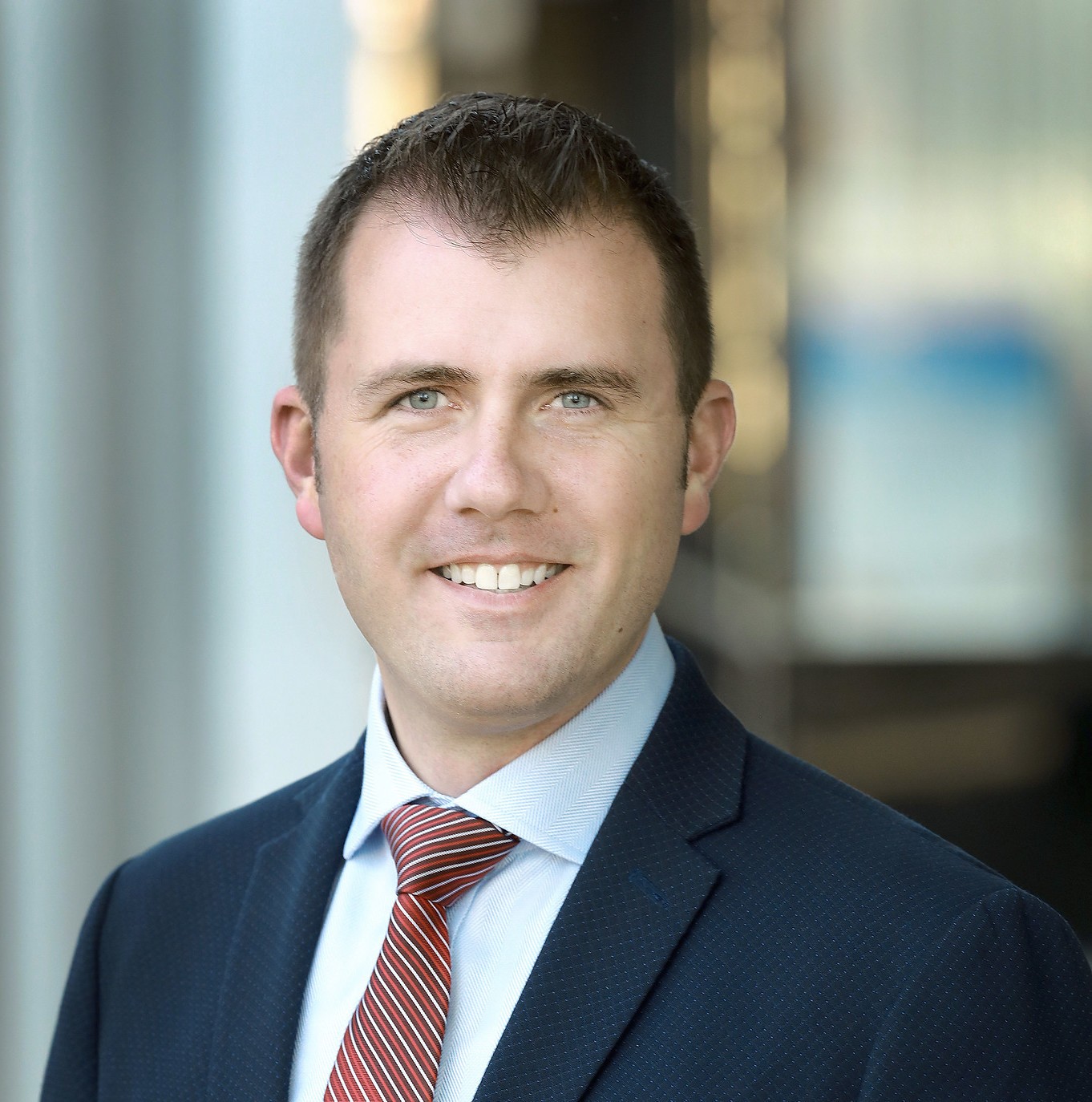
Two decades in national security as practitioner and policy staffer. Holds a PhD in philosophy from the University of Oxford, where he studied the ethics of war. Author of Is Remote Warfare Moral? (Hachette, 2022) on the morality of drone warfare, and the forthcoming AI For The Rest of Us (Air University Press). His scholarly work appears in the Journal of Ethics and Social Philosophy, Ethical Theory and Moral Practice, and Social Theory and Practice. His public-facing work has appeared in the New York Times, War on The Rocks, and The Institute for Future Conflict.
Where it started
Future of Work Postdoctoral Fellowship
A full-time Postdoctoral Research Fellowship run jointly by the Applied Ethics Center (AEC) and IEET at the University of Massachusetts Boston. The fellowship was fixed-term for 24 months and focused on the ethics and policy implications of automation and the changing labor market.
Some forecasters believe automation and other emerging technologies will cause a rapid loss of traditional employment. Others foresee a rapid innovation of new jobs and transformation of existing ones. Policies under examination included reforming higher education, shortening the workweek, a federal jobs guarantee, and a universal basic income.
The Fellow helped AEC and IEET research the academic and policy work being done on these questions — and explored a deeper one: whether a world with less work, or transformed work, would be less meaningful, or whether it might give rise to a society in which work is no longer the primary context in which we meet and value each other.
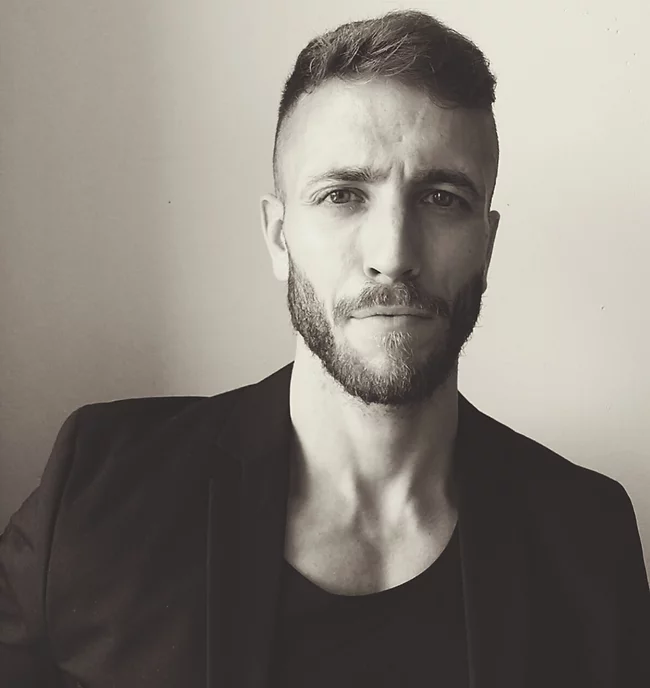
The first IEET/AEC Postdoctoral Fellow on the Future of Work. Focused broadly on automation, artificial intelligence, and the digital economy, with particular attention to democratizing digital platform work.
Interested in a fellowship?
IEET collaborates with partner institutions to launch new research programs. Reach out to learn about open positions or propose a research collaboration.